Wireless headphones for TV without bluetooth require a dedicated transmitter base station to function. Our research identifies the Sennheiser RS 175 as the top recommendation. It connects via optical cable to provide crystal clear digital audio with zero lag.
Our Handpicked Top 3 Best Headphones for TV
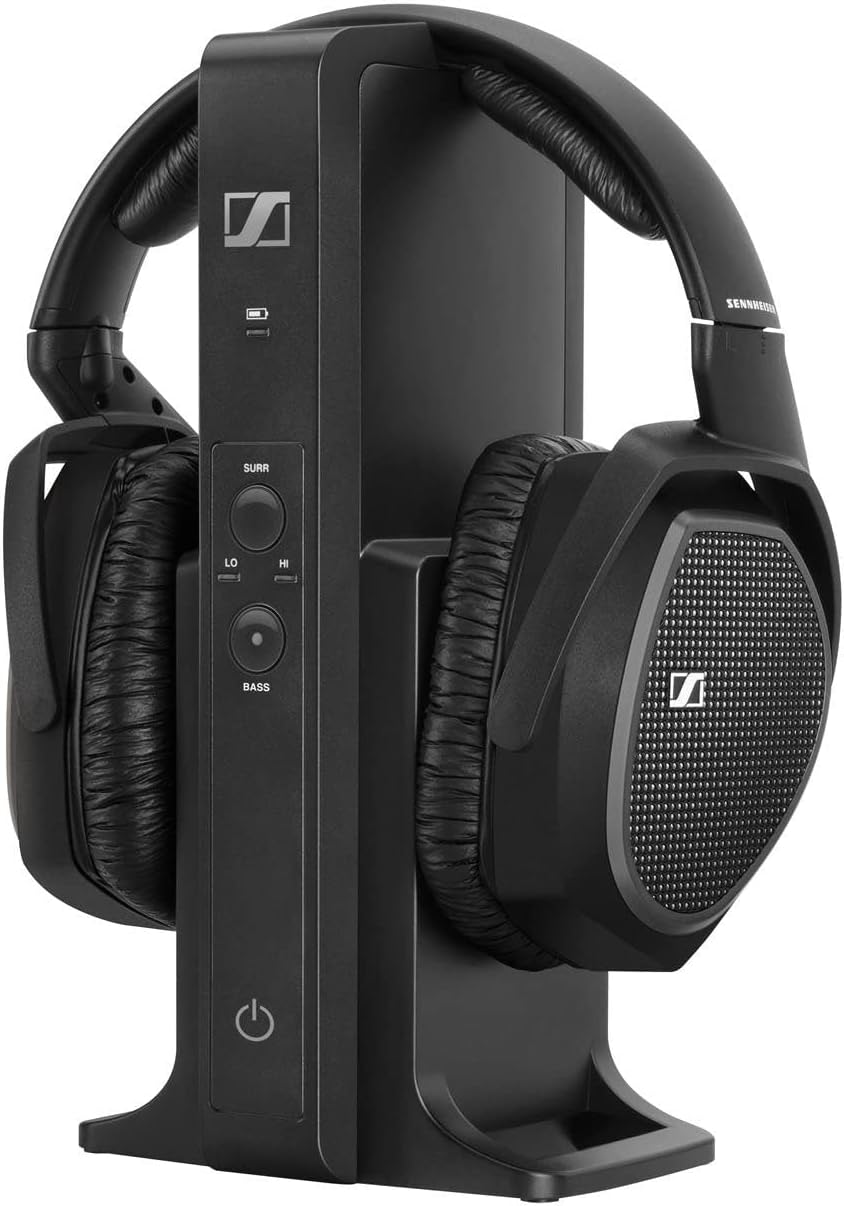
Bass boost and surround modes.
Digital Wireless
Battery
18 Hours
Input
Optical & 3.5mm
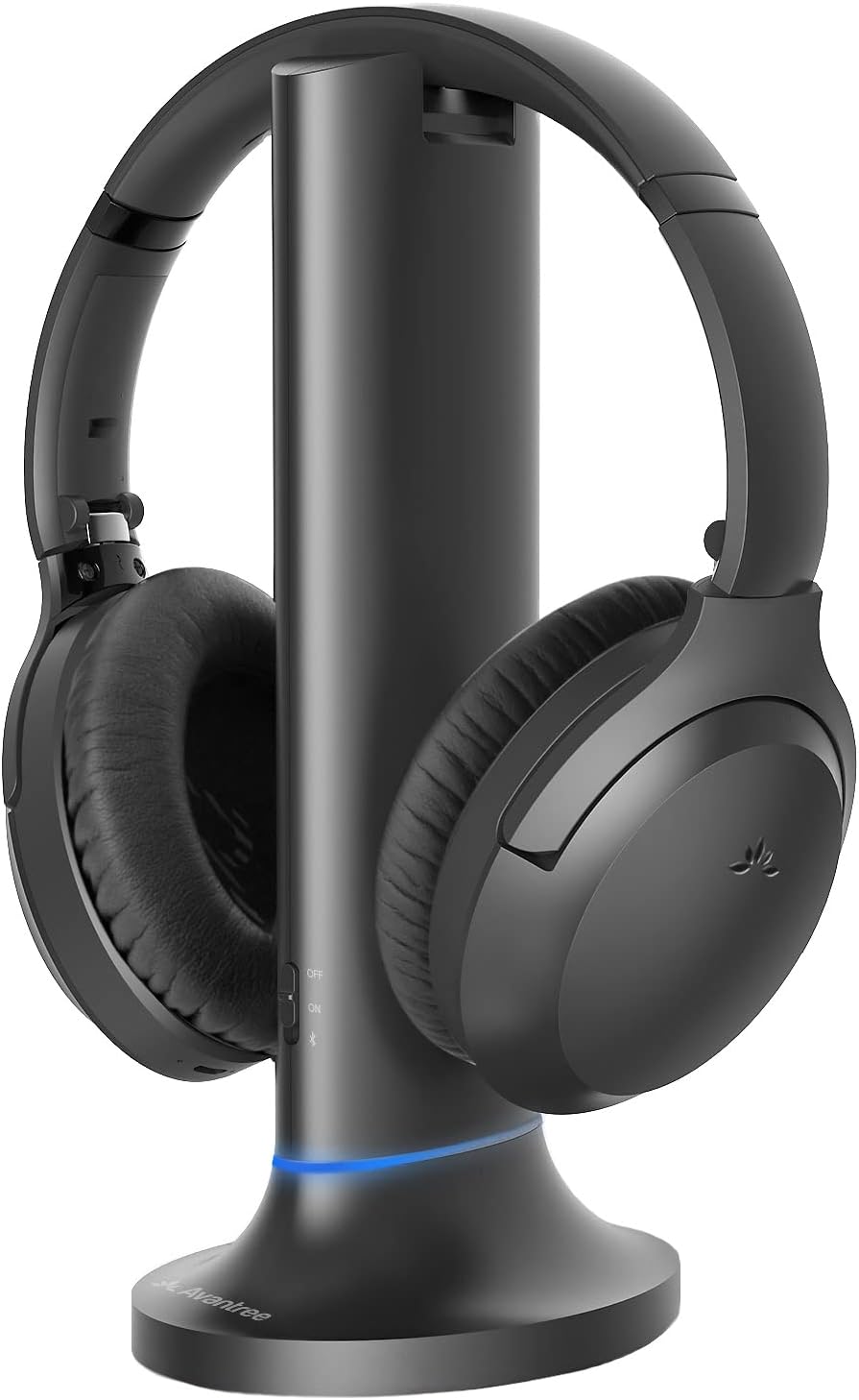
Clear Dialogue mode enhances speech.
Bluetooth 5.0 w/ Base
Battery
35 Hours
Input
Optical, RCA, AUX
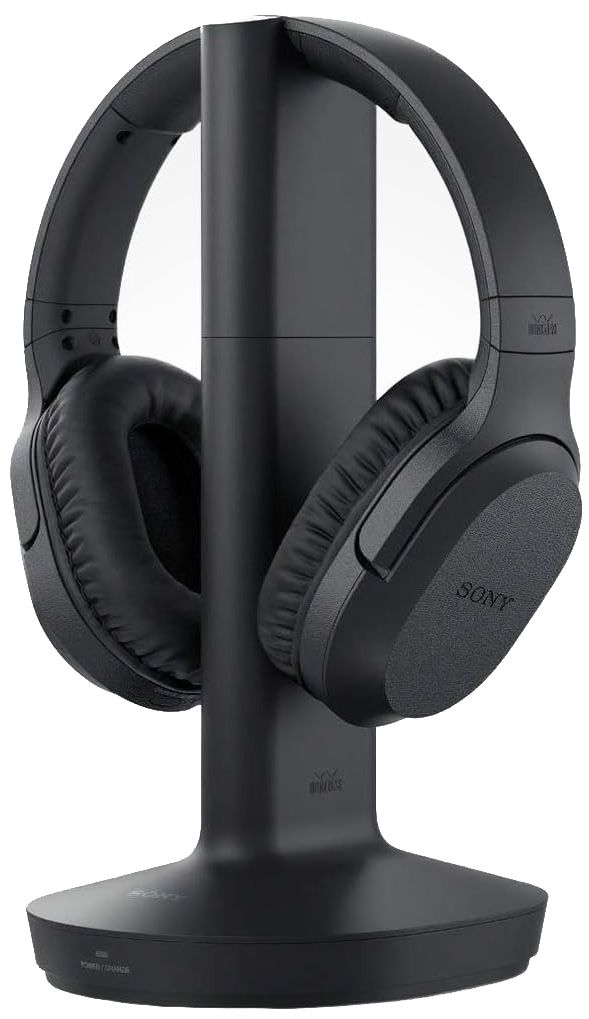
Voice Mode makes whispers audible.
Analog RF
Battery
20 Hours
Input
RCA & 3.5mm
If you have an older TV or a modern one without Bluetooth, you are not out of luck. You simply need a headphone system with a dedicated transmitter base. This base plugs into the back of your TV (using the red/white ports or the optical port). The headphones then talk to the base, not the TV. This guarantees zero audio delay.
Quick Buying Advice
Check Your TV Ports: Look at the back of your TV. Do you see a square port with a red light (Optical)? Or do you see round Red and White holes (RCA)? You need headphones that match these ports.
Digital vs. Analog: Digital (like Sennheiser) sounds clearer. Analog (like Sony) has a longer range but might hiss slightly during silence.
Pass-Through: If you want your family to hear the TV speakers while you wear headphones, look for a “Pass-Through” feature.
No Pairing Needed: All the picks below come paired out of the box. You plug in the base, turn on the headset, and it works.
Best Overall
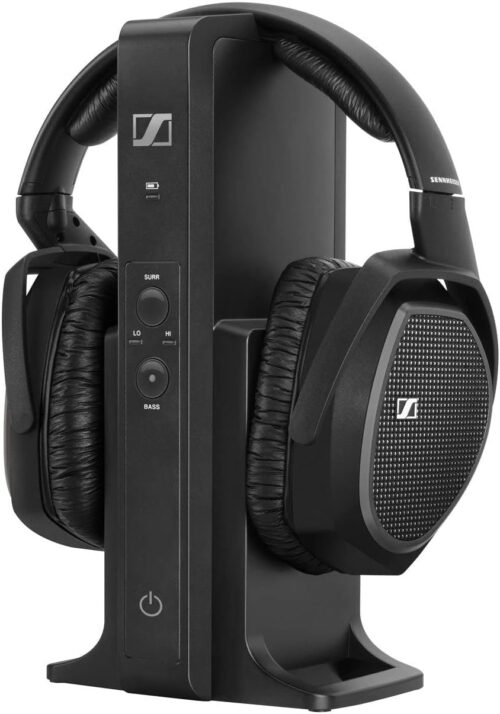
Range: 328ft | Connection: Optical (Toslink) & Analog | Latency: Zero (Digital RF)
If you want the absolute best audio quality, start with the Sennheiser RS 175. It uses digital transmission technology. This means the sound does not cut out or crackle like older radio headphones.
The base station connects to your TV’s optical port. It delivers powerful Bass Boost and Virtual Surround Sound modes. Users report the “Surround” mode makes movies feel immersive. The large ear cups block out room noise effectively. This lets you focus entirely on the dialogue.
However, you might want to skip this if you have a very small head. The clamp force is tight to ensure a good seal. Also, wireless headphones for smart TV setups like this occupy the optical port, so you may need a splitter if you also use a soundbar.
Best Budget Friendly
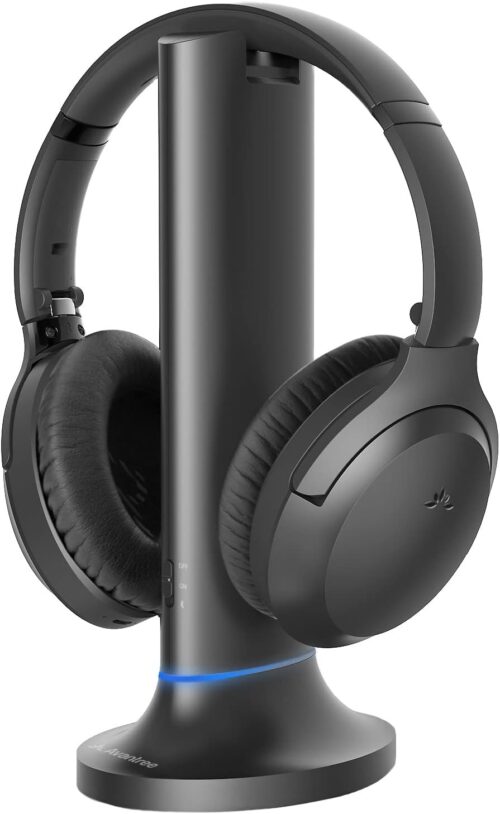
Range: 164 ft | Connection: Optical, RCA, & AUX | Latency: < 40ms (No lip-sync delay)
The Avantree Opera includes a unique “Bypass” feature. This allows audio to pass through the base to a soundbar and the headphones simultaneously.
It excels at clarity. The “Clear Dialogue” mode boosts high frequencies. This lifts speech above background music. It is often cited as one of the best headphones for seniors because of this distinct vocal enhancement. The base station also transmits via Bluetooth 5.0, so you can actually pair these headphones to your phone if you leave the house.
This system is not for you if you want premium metal build quality. The construction is lightweight plastic. However, this keeps them light on your head during long shows.
Editor’s Choice
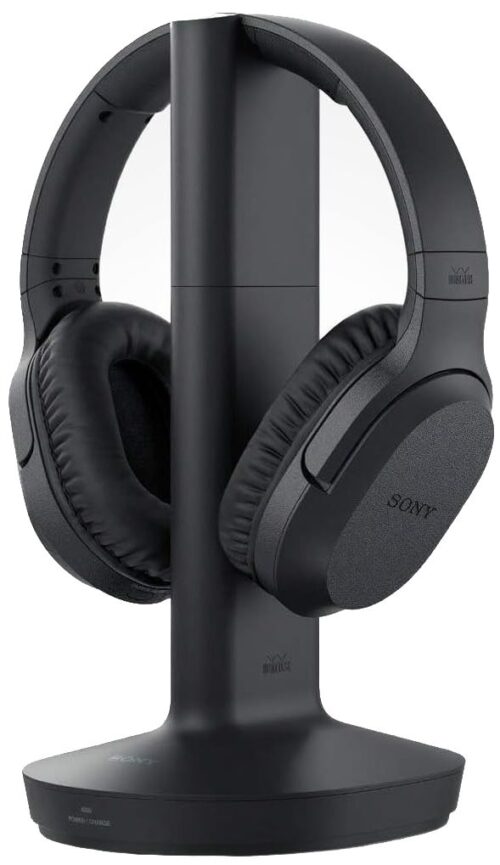
Range: 150ft | Connection: RCA & 3.5mm (No Optical) | Latency: Zero (Analog RF)
Sony has dominated this market for decades. The WH-RF400 is their refined classic. It uses RF (Radio Frequency) signals rather than digital data. This gives it immense range through thick walls.
The comfort is superior to the Sennheiser. The pads are soft and do not squeeze your ears. It includes a specific “Voice Mode” button. This functions well for headphones for tv hard of hearing users who struggle with muddled movie mixing. The battery lasts 20 hours, easily covering a week of evening news.
Be aware that this unit does not have an Optical input. You must check that your TV has a headphone jack (AUX) or Red/White RCA outputs. If you live in a crowded apartment building, you might hear slight static interference from other devices.
Best Noise Protection for Young Kids
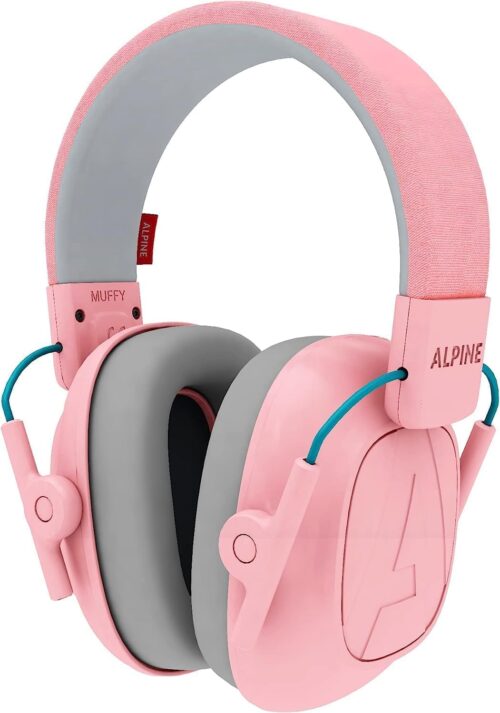
Weight: 174g | NRR: 25db | Type: Passive Earmuff
Sometimes you don’t need technology; you need protection. The Alpine Muffy Kids are passive earmuffs, not electronic headphones. This means they physically block sound using thick acoustic foam and a sealed shell.
These are widely considered the gold standard for noise cancelling headphones for kids with autism because there are no buttons to fiddle with and no batteries to charge. They simply create a quiet “safe space” the moment you put them on.
However, they are just as valuable for neurotypical children in loud settings. If you are taking your family to a monster truck rally, an air show, or a stadium concert, these are mandatory to prevent permanent hearing damage. They are rugged, easy to clean, and fit securely on smaller heads (ages 5-12).
Best for Teens
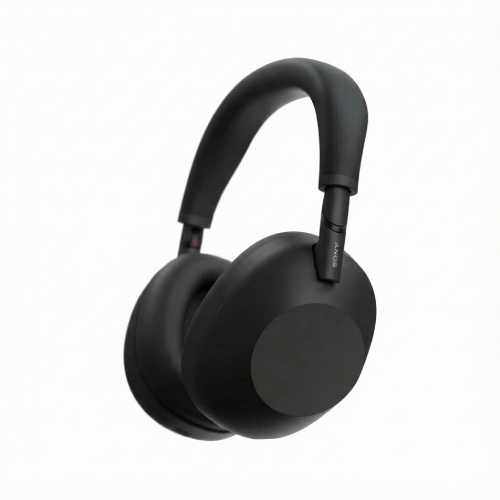
Weight: 250g | Battery: 30 Hours | Type: Active
The Sony XM series sets the bar for the entire industry. The XM6 iterates on this legacy with even stronger processing power. It tackles high-frequency noises, like shrill voices, better than any competitor.
For a teen with sensory processing issues, this offers the highest level of isolation available. The “Speak-to-Chat” feature pauses the audio automatically when the user speaks. This is helpful for quick interactions without removing the headset.
Be aware of the price tag. This is premium adult gear. However, if the goal is maximum reduction of external stimuli, the performance justifies the cost.
Best for Travel
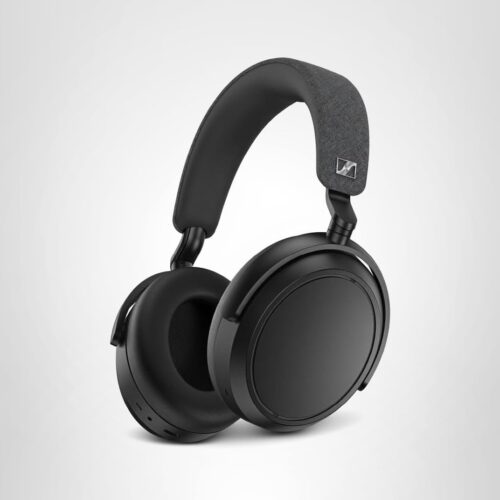
Weight: 293g | Battery: 60 Hours | Type: Active
Charging devices is a chore. The Sennheiser Momentum 4 removes that stress. It offers double the battery life of most competitors.
For kids with ADHD who use audio to focus, a dead battery means a lost study session. These headphones keep going for days. The sound signature is warm and pleasant. It is not fatiguing to listen to for long periods.
The downside is the size. The ear cups do not fold in completely. They take up significant space in a backpack. If you prioritize packing space over battery life, stick with the Sony or Anker.
Best Premium Build
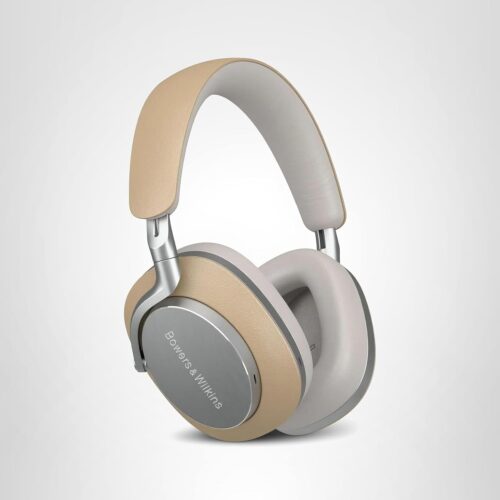
Weight: 320g | Battery: 30 Hours | Type: Active
This is an outlier. The Bowers & Wilkins Px8 is not a toy. It is a piece of high-end audio jewelry. We include it for older teens who are serious about critical listening.
The memory foam cushions are wrapped in real leather. This feels softer and cooler against the skin than synthetic materials. It provides a natural seal that aids the noise cancellation.
This is likely too heavy for younger children. At 320g, it will strain the neck after an hour. Only choose this if your teen specifically requests high-fidelity audio and treats their belongings with extreme care
Frequently Asked Questions
1. Do active noise canceling headphones protect hearing?
They protect hearing indirectly. Because they block background noise, your child doesn’t need to crank the volume up to dangerous levels to hear their music. However, unlike passive earmuffs (like the Alpine Muffy), they are not rated for industrial safety protection (NRR).
2. Can kids wear these headphones with glasses?
Yes, but comfort varies. The Bose QuietComfort Gen 2 is the best choice for glasses wearers. The soft foam and low clamping force allow the glasses’ arms to sit comfortably without digging into the temple.
3. What is the difference between noise isolation and noise cancellation?
Isolation is physical blocking (like plugging your ears). Cancellation is electronic; it uses microphones to listen to noise and creates an “anti-noise” wave to cancel it out. Cancellation is better for low drones (engines, fans), while isolation is better for sudden shouts.
4. Are there volume limits on these headphones?
Most of the adult headphones listed here (Sony, Bose, Anker) do not have built-in hard volume limits (85dB) for kids. You must set this limit in the phone or tablet settings to ensure your child’s hearing safety.
5. What are the best noise cancelling headphones for kids with autism?
For young children who need pure silence, the Alpine Muffy Kids are the best choice because they are durable and simple. For older kids who find music soothing, the Bose QuietComfort provides the best sensory experience due to its superior comfort.
Final Verdict
Choosing the right headphones depends on the child’s age and needs. For pure sensory protection without electronics, grab the Alpine Muffy Kids. For a budget-friendly focus aid, the Anker Soundcore Space One is unbeatable.
However, for the best balance of weight, comfort, and silence, the Sony WH-CH720N remains our Best Overall pick for noise canceling headphones for kids in 2025.